Electrical safety is one of the most critical aspects of any residential, commercial, or industrial infrastructure. A properly designed grounding system protects people, equipment, and electrical installations from dangerous fault currents, lightning strikes, and voltage surges. Among the various grounding solutions available today, Copper Bonded Earthing Electrodes have emerged as one of the most effective and durable choices for modern earthing systems.
In this blog, we will explore the importance of earthing, the benefits of using earthing electrodes, and why a copper-bonded electrode is considered the preferred option for long-term electrical safety and performance.
What Are Copper Bonded Earthing Electrodes?
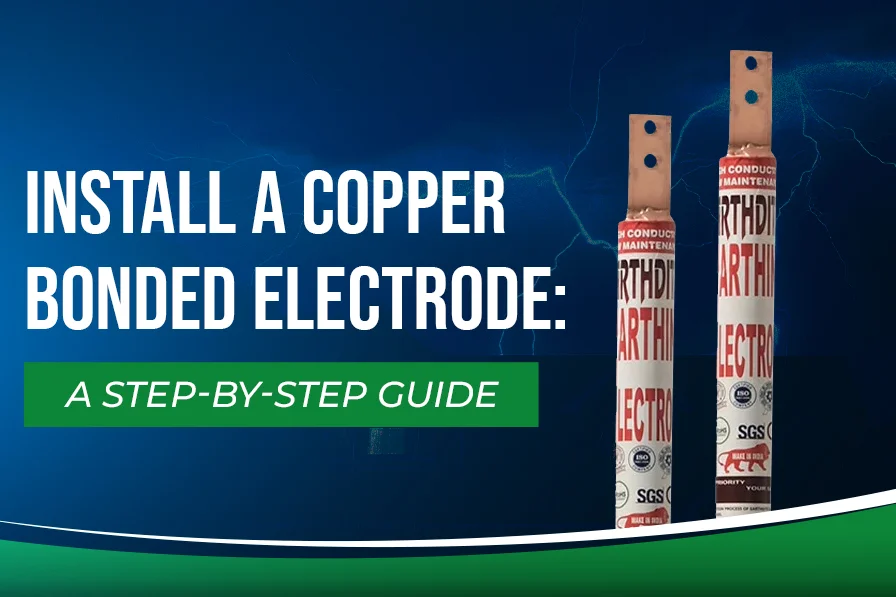
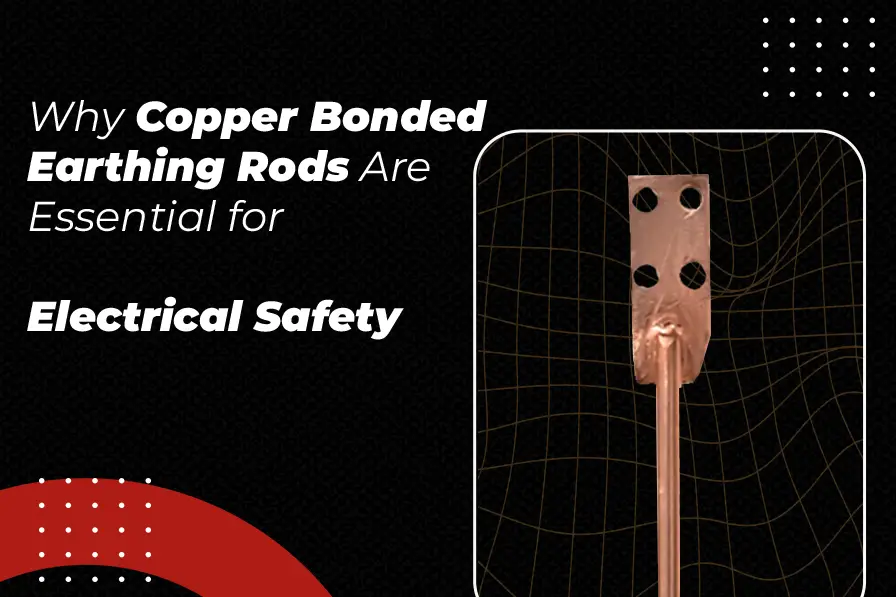
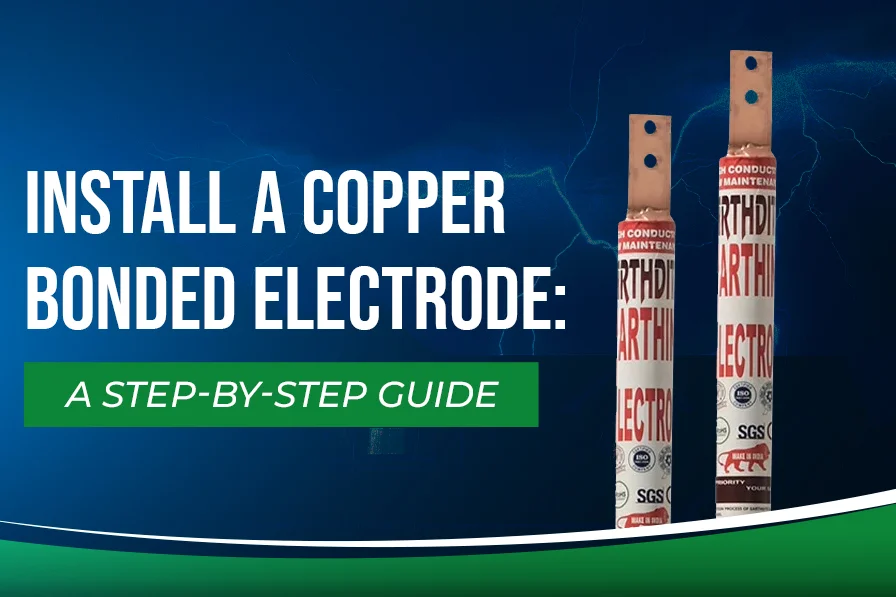
Copper Bonded Earthing Electrodes are specially manufactured grounding rods made by bonding a layer of high-conductivity copper onto a low-carbon steel core. This unique construction combines the mechanical strength of steel with the excellent electrical conductivity and corrosion resistance of copper.
These electrodes are widely used in electrical substations, industrial plants, commercial buildings, telecom towers, solar power plants, data centers, and residential projects. Their superior conductivity ensures efficient fault current dissipation into the earth, making them an essential component of any reliable grounding system.
Compared to traditional GI (Galvanized Iron) rods, a copper-bonded electrode offers enhanced durability, longer service life, and better resistance to corrosion, especially in harsh environmental conditions.
Importance of Earthing in Electrical Systems
Before understanding the advantages of earthing electrodes, it is important to know why earthing is necessary.
Earthing, also known as grounding, is the process of connecting electrical systems to the earth through a conductive path. This ensures that excess electrical energy or fault current safely flows into the ground instead of causing damage to equipment or posing a risk to human life.
A well-designed earthing system provides several benefits:
- Protects people from electric shocks
- Prevents equipment damage during electrical faults
- Reduces the risk of fire caused by leakage currents
- Protects against lightning strikes and voltage surges
- Stabilizes system voltage
- Ensures smooth operation of electrical installations
- Without proper grounding, electrical systems become vulnerable to failures, short circuits, and dangerous accidents.
Why Choose Copper Bonded Earthing Electrodes?
There are several types of earthing electrodes available in the market, including GI electrodes, solid copper rods, and chemical earthing systems. However, Copper Bonded Earthing Electrodes offer the perfect balance of performance, durability, and cost-effectiveness.
1. Excellent Electrical Conductivity
Copper is known for its outstanding electrical conductivity. The copper coating on the electrode ensures efficient dissipation of fault currents into the earth. This helps maintain low earth resistance, which is crucial for effective grounding.
2. High Corrosion Resistance
One of the major advantages of a Copper bonded electrode is its superior resistance to corrosion. Unlike GI electrodes that may rust over time, copper bonded rods withstand moisture, chemicals, and varying soil conditions for many years.
This makes them ideal for installations in coastal regions, industrial areas, and locations with high soil moisture.
3. Long Service Life
Due to their corrosion-resistant properties and strong steel core, Copper Bonded Earthing Electrodes offer an extended service life. They can perform efficiently for decades with minimal maintenance, reducing replacement costs and downtime.
4. Strong Mechanical Strength
The steel core inside the electrode provides excellent tensile strength, allowing easy installation even in hard or rocky soil conditions. This strength ensures the electrode does not bend or break during installation.
5. Cost-Effective Solution
While solid copper rods can be expensive, a Copper bonded electrode provides similar conductivity and corrosion resistance at a much lower cost. This makes it an economical solution for large-scale projects.
Applications of Copper Bonded Earthing Electrodes
Due to their reliability and durability, Copper Bonded Earthing Electrodes are widely used across multiple industries and applications.
Industrial Plants
Manufacturing facilities and heavy industries require robust grounding systems to protect machinery and workers from electrical faults. Copper bonded electrodes ensure efficient grounding for industrial operations.
Commercial Buildings
Shopping malls, office complexes, hospitals, and hotels depend on proper earthing to protect sensitive electrical equipment and ensure uninterrupted power supply.
Telecom Towers
Telecommunication infrastructure is highly sensitive to lightning strikes and power surges. High-performance earthing electrodes provide reliable protection for telecom towers and communication systems.
Solar Power Plants
Solar energy systems require low-resistance grounding for safe operation and protection against transient voltages. Copper bonded electrodes are commonly used in solar farms and rooftop solar installations.
Data Centers
Data centers house expensive and sensitive electronic equipment that requires stable grounding systems. A high-quality Copper bonded electrode minimizes electrical interference and equipment damage.
Residential Projects
Modern homes use numerous electrical appliances and devices. Proper grounding ensures safety from electric shocks and protects household equipment from voltage fluctuations.
Features of High-Quality Earthing Electrodes
When selecting earthing electrodes, it is important to choose products that meet industry standards and offer reliable performance.
Here are some important features to consider:
- High copper bonding thickness
- Uniform copper coating
- Strong steel core
- Excellent corrosion resistance
- Low electrical resistance
- Compliance with international standards
- Long operational life
- Easy installation
A premium-quality copper-bonded electrode should be manufactured using advanced bonding technology to ensure long-lasting performance and superior conductivity.
Installation of Copper Bonded Earthing Electrodes
Proper installation is essential for maximising the effectiveness of Copper Bonded Earthing Electrodes.
The installation process generally involves the following steps:
Site inspection and soil resistivity testing
Selecting the appropriate electrode size and length
Drilling or excavating the installation area
Driving the electrode vertically into the ground
Connecting the electrode to the grounding conductor
Using earthing compounds if necessary
Testing earth resistance after installation
Professional installation ensures optimal grounding performance and compliance with safety standards.
Maintenance of Earthing Systems
Although Copper Bonded Earthing Electrodes require minimal maintenance, periodic inspection is recommended to ensure consistent performance.
Regular maintenance activities include:
Checking earth resistance values
Inspecting connections and joints
Ensuring corrosion-free terminals
Verifying grounding continuity
Testing the system after major electrical events
Routine maintenance helps identify potential issues before they affect system safety and performance.
Copper Bonded Electrode vs GI Electrode
Many industries still use GI electrodes, but modern electrical systems increasingly prefer Copper bonded electrodes due to their superior performance.
Feature Copper Bonded Electrode GI Electrode
Corrosion Resistance Excellent Moderate
Electrical Conductivity High Lower
Service Life Long Shorter
Maintenance Minimal Higher
Performance in Harsh Soil Excellent Limited
Cost Efficiency High Long-Term Value Lower Initial Cost
The long-term reliability and reduced maintenance requirements of Copper Bonded Earthing Electrodes make them the smarter investment.
Choosing the Right Earthing Solution
Selecting the right grounding system depends on several factors:
- Soil conditions
- Electrical load
- Environmental exposure
- Safety requirements
- Budget
- Industry standards
Consulting experienced professionals can help determine the most suitable earthing electrodes for your project.
Why Quality Matters in Earthing Products
Electrical grounding is not an area where compromises should be made. Poor-quality electrodes can lead to higher earth resistance, system failures, equipment damage, and safety hazards.
High-quality Copper Bonded Earthing Electrodes provide reliable fault current dissipation, long operational life, and enhanced protection for both people and infrastructure.
Using certified products from trusted manufacturers ensures compliance with safety regulations and dependable system performance.
Conclusion
As electrical systems become more advanced and sensitive, the importance of effective grounding continues to grow. Copper Bonded Earthing Electrodes offer an ideal solution for modern grounding requirements due to their superior conductivity, corrosion resistance, durability, and cost-effectiveness.
Whether for industrial facilities, commercial buildings, telecom installations, or residential projects, investing in high-quality earthing electrodes ensures long-term electrical safety and operational reliability.
A well-designed grounding system using a dependable Copper bonded electrode can significantly reduce risks associated with electrical faults, surges, and lightning strikes while protecting valuable equipment and human lives.
For premium-quality earthing solutions and expert guidance, visit GSC Earthing or call 9218301075 today.